
Your Guide to Ethical Leadership
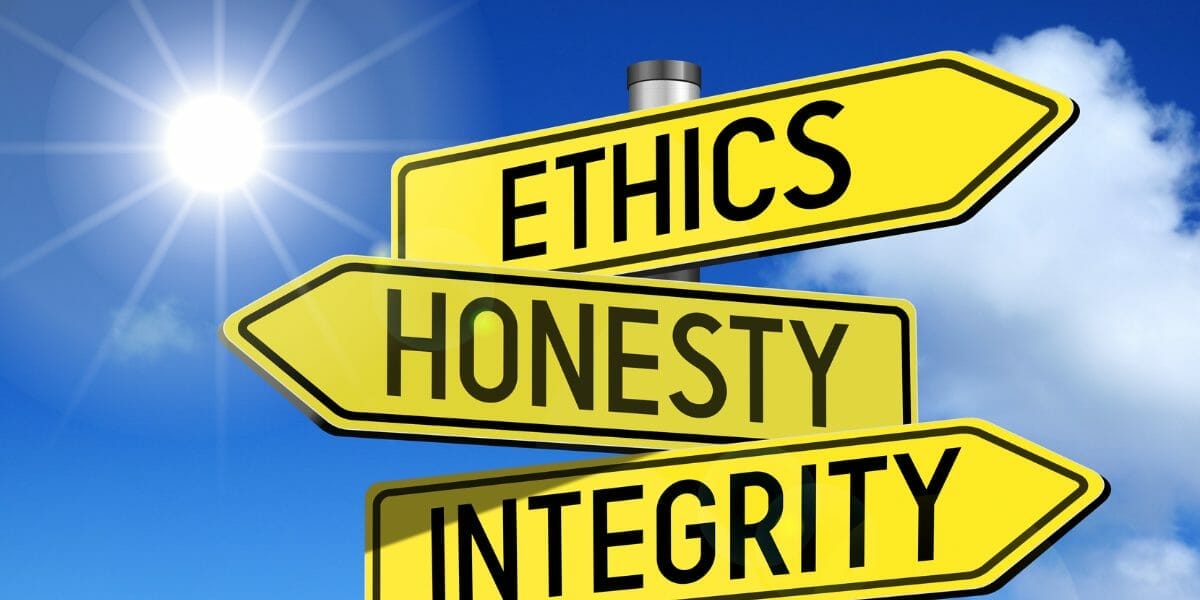
Ethical Leadership means operating with integrity, honesty, trustworthiness and having high standards in everything that you do as a leader. Being ethical doesn’t just mean doing the right thing for the right reasons. It also means operating within the law, building trust with your team and inspiring others to trust you too. These are all essential components of any leadership role, but can be particularly challenging when working in an industry that is dependent on secrecy and discretion at times.
That’s why we’ve compiled some of the most useful leadership advice from top authors who have written extensively about this topic. After reading this article, you’ll have a much clearer understanding of what it takes to become a more ethical leader and how to keep it up every single day so that you never fall back into old habits.
This post contains affiliate links. I may earn a commission should you chose to sign up for a recommended program or make a purchase using my link. I hope you find value in these products, services and companies as much as we do!
What is ethical leadership?
A fundamental component of leadership is making decisions with integrity. When you act ethically, you are demonstrating that your decisions about your team, company, and customers are not only for your personal benefit but also for theirs. In order to lead with integrity, it’s important to set the right example for others by exhibiting ethical leadership for the benefit of everyone involved.
Advantages of ethical leadership
There are many advantages to ethical leadership. Ethical leaders are typically more effective leaders because they are more trusted by their followers. Ethical leaders are also more likely to have a positive impact on their organizations, as they set the tone for ethical behaviour. Additionally, ethical leaders are typically more successful in the long run because they build trust and respect among their followers.
For example, lead with integrity and have ethical standards, such as be honest and trustworthy in everything you do. Dedicate yourself to building trust with your team members and inspire others to trust you too. Be intentional about how you interact with others.
Disadvantages of ethical leadership
There are many benefits to being an ethical leader, but there are also significant challenges and disadvantages in addition to the common challenges of being a leader in general.
For instance, maintaining your integrity can be difficult when you’re dealing with conflicts of interest or complex ethical dilemmas. In order to maintain your personal values, it’s important that you never give into pressure or temptation so that you can stay true to yourself. When operating with integrity, it’s often even harder to keep up with the demands of running a company because there is always more work for leaders to do.
There are often conflicting priorities and competing obligations which creates stress on the leader who doesn’t want their decisions being compromised by outside influences. This is where a strong team comes in handy because they can help support their leader and make sure their leader stays on track.
What traits do ethical leaders have?
A person with integrity is someone who is honest, trustworthy and ethical in their actions. Some of the key traits of ethical leadership include the following:
- 1HONESTY: Honesty is the foundation of trust. It means being truthful about what you say and do without twisting the truth or hiding things from others.
- 2TRUSTWORTHINESS: Trustworthiness means having the general public trust that your words and actions can be relied upon. A trustworthy leader will inspire confidence amongst those around them in their abilities to lead and will always be open to feedback or criticism so they can continually grow as leaders.
- 3FULL DISCLOSURE (OPENNESS): Full disclosure means being completely open with all aspects of your life, including your vision and where you can spot potentially improvements. Openness has a corollary of transparency; this means being transparent on what’s happening inside an organization so that people know changes are happening for the betterment of the team and organization as a whole.
- 4TRANSPARENCY: Transparency implies honesty but also implies openness by presenting information that would otherwise be kept hidden from outsiders like competitors or partners who might have ulterior motives for gaining access to business information in secret. Transparency also allows for accountability because it allows people to see what’s going on behind closed doors without having to rely on other sources for information such as press releases.
Maximizing Value through Ethical Leadership
Just as a business must provide value to its customers in order to survive, so must the leader in any organization. Leaders need to be able to identify what value their company will provide and then create an ethical and effective strategy for producing that value. This starts with understanding your team’s needs and priorities, such as ensuring they are given support and being recognized for their contributions.
It’s also important for leaders to keep themselves on track by setting clear goals that align with the overall vision of the company and have tangible steps associated with them. Finally, leaders should always make sure they are communicating effectively with their team, making sure key messages are known throughout the company so that everyone is on board with the same goals and objectives.
Overcoming Barriers as an Ethical Leader
By overcoming certain barriers as an ethical leader, you will be able to create and maintain a culture of trust throughout your organization. In business, being honest is one of the most important components of building strong relationships with your customers and employees alike. If you lead by example, your employees will be more likely to follow suit because you are demonstrating to them that it’s okay to speak up when they spot something wrong or simply don’t like what is happening around them.
This builds trust in your company because it shows that management can take care of problems without judgement from their employees who are looking for guidance from their leaders. Another barrier which can prevent ethical leaders from operating effectively is fear. Fear can cause people to stay silent about unethical issues which allows for poor leadership practices to continue without much pushback. Ethics is not just about how things look, but also how they feel inside so even the most caring people can fail when they are afraid that they might get caught if they speak out against unethical practices in their company.
Ethical Leaders Create Value
An ethical leader is someone who creates value for their company or organization. They do this by making sure that the company or organization is run in a way that is morally right and by ensuring that the company’s or organization’s actions are aligned with its values. Ethical leaders also create value for their employees and customers. They do this by making sure that their employees are treated fairly and that their customers are happy with the product or service that they receive.
An ethical leader is someone who puts the needs of others before their own. They understand that their employees and customers are the most important people in their company or organization and they do everything they can to make sure that they are happy and successful. Ethical leaders are those who set the example for others to follow. They are sincere and on a quest to make a difference in the world. These leaders possess the courage to stand up for what is right, even when it is unpopular, and they always act with the best interests of others in mind.
Ethical Communication
One of the most important points for any ethical leader is to be honest and build communication with your team. This means not only being truthful, but also being straightforward and without exaggerating. It’s hard enough for leaders to feel like they can trust their team, so it should be a no-brainer that you avoid creating a culture of manipulation and deceit.
Try talking to your team in a new way and using language that is open and honest, rather than using vague or misleading words. If you have an issue with someone on your team, address it directly instead of behind closed doors. And lastly, don’t hide promises from your employees. Make sure you are clear about what you can and cannot do–and tell everyone right away when something changes.
Using Time to your advantage
In order to become a better leader and build trust in your team, you have to be able to make an impact in the time that you’re given. In order to do that, it’s important to prioritize your work.
This includes setting realistic goals for yourself and communicating how those goals will move your company forward. It also means ensuring that everyone on your team is working toward the same goal so they can help each other out while staying focused on their own responsibilities.
To take this one step further, focus on building a strong sense of community among your employees by offering them opportunities such as team-building activities whenever possible. These activities not only strengthen communication between teammates but also contribute positively towards morale and overall productivity.
Making value based decisions
At the heart of ethical leadership is finding a way to make decisions that are in the best interest of your company, your team and yourself. The key is to operate from a place of values and without ego or self-interest. This means understanding what’s important to you personally, as well as your company, and making decisions from those values.
As an ethical leader, you’ll need to be willing to make tough choices that might cause some people within your company or organization to feel insecure. Some people may even question your authority should you decide that something is not in the best interest of the business at large. But remember, nobody will trust you if you don’t trust yourself first.
At times this can be difficult for leaders who have been given lots of power and responsibility early in their career or who are used to being in charge all the time; but being able to rely on a set of values rather than personal opinion makes it easier for leaders to stay on track with their decision-making process when they feel threatened by those around them.
Ethical Leadership: Moral Decision-making under Pressure
Aidan McQuade’s book “Ethical Leadership” provides insight into the concept of human agency – the individual’s choice of a course of action in response to the options posed by that individual’s engagement with the social world.


Overall increase Your Impact
A true leader is one who inspires others and leaves an impact. In order to do this, you must create trust and commitment with your team members. This is done by having a strong sense of values and ethics throughout the day.
The more ethical leaders are, the more they impact their teams. This is due to the fact that they are able to inspire, build trust, and make an impact in a way that changes people’s lives for the better.
Final Thoughts
What’s the most important thing to remember when leading with integrity? One of the most important things to remember when leading with integrity is that it’s not just about doing the right thing, it’s also about doing what you believe in.
No one wants to work for someone who does what he believes in at all times!
At the end of the day, a leader must be able to set aside personal feelings so that they can do what must be done for their company and its employees. They must put their own selfish thoughts aside and make sure that they are operating from a place of honesty and trustworthiness everyday. When you lead with this kind of integrity, you become a huge asset to your team.